Schedule with a free estimate from our certified arborists. New Leaf Tree Service proudly serves Mount Pleasant and Charleston, SC, with professional, eco-friendly tree care. We are available 24/7 for emergencies.
Dangerous Tree Removal In Mount Pleasant, SC: When a Tree Becomes a Serious Hazard
Tree Removal
Trees bring life, shade, and beauty to any yard, but when one becomes unstable or diseased, it can quickly turn into a serious hazard. Knowing when dangerous tree removal is necessary can prevent costly damage and protect your home and family.
This guide explains how to identify warning signs, what causes trees to become unsafe, and when to schedule a professional tree health assessment before it’s too late.
Why Dangerous Trees Are a Serious Threat
A single weak tree can cause thousands of dollars in property damage and put lives at risk. Branches can snap during storms, roots can lose strength, and decayed trunks can collapse without warning.
By watching for early warning signs and scheduling a tree hazard assessment, you can detect issues early and avoid dangerous situations. Taking action at the right time keeps your landscape safe and beautiful.
1. How Trees Become Dangerous
Even a healthy-looking tree can hide deep internal problems. Over time, natural and environmental factors can weaken its stability.
A. Disease and Decay
When fungus or decay sets in, wood begins to weaken from the inside. Mushrooms on the bark or near the base are clear signs of trouble. A diseased tree often loses branches and stability quickly, making dangerous tree removal the only safe option.
B. Root Damage
Roots anchor a tree to the ground. When they’re cut, compacted, or damaged by construction or poor drainage, the tree can lose its balance. Tree root damage can cause a tree to lean, crack, or eventually fall.
C. Storm Damage
Heavy rain, wind, and lightning can break limbs or split trunks. Even if the tree looks fine afterward, unseen fractures may remain. These damaged areas can worsen over time, leading to sudden failure.
D. Overgrowth and Neglected Maintenance
When trees grow too close to structures or power lines, or if they haven’t been pruned for years, their weight and reach can create risk. Overgrown branches may snap, causing property damage or injuries.
2. Signs That a Tree Needs to Be Cut Down
It can be difficult to know when to take a tree down, but there are key signs that indicate danger. A professional tree hazard assessment can confirm whether removal is necessary.
A. Noticeable Leaning
A leaning tree often points to instability, especially if the lean appears suddenly or increases over time.
B. Cracks or Cavities in the Trunk
Deep cracks or hollow areas weaken structural integrity. Once a trunk is compromised, failure can happen without warning.
C. Dead or Hanging Branches
Large dead limbs are unpredictable. They may fall during calm weather or under light wind pressure.
D. Fungal Growth Near the Base
Mushrooms or soft, spongy bark at the base usually mean internal decay. These are common signs of a dying tree and should be addressed immediately.
E. Disturbed Soil Around the Roots
Soil that’s raised, cracked, or moving indicates tree root damage. This means the tree is shifting and can topple.
F. Sparse or Patchy Canopy
If leaves appear only on one side or growth slows dramatically, it could point to disease or structural decline. These are telltale signs that a tree needs to be cut down.
3. Why Tree Health Assessments Matter
A tree health assessment performed by a certified arborist helps catch problems before they become hazardous. These inspections go beyond what you can see, identifying internal decay, pest damage, and root issues.
A professional assessment includes:
Checking trunk stability and branch strength
Inspecting root systems and soil conditions
Identifying disease, fungus, or insect activity
Measuring risk factors for failure
With this information, you can decide whether pruning will save the tree or if dangerous tree removal is necessary to protect your property.
4. The Risks of Ignoring a Dangerous Tree
Delaying removal can have serious consequences for your property and safety.
A. Property Damage
Falling trees can crush roofs, cars, and fences. Many insurance policies may not cover neglect-related damage.
B. Injury or Fatality
Weak branches or falling trees pose a danger to people and pets. These hazards can appear suddenly, even in calm weather.
C. Legal and Financial Liability
If you knew a tree was unsafe and didn’t act, you could be responsible for resulting damage. Regular tree hazard assessments help document proactive care.
D. Emergency Costs
Waiting until a tree falls often leads to higher removal costs. Planning ahead saves money and reduces risk.
5. Knowing When to Take a Tree Down
When you’re unsure when to take a tree down, consider the following factors.
Health: If more than half the tree shows decay, removal is the safest option.
Structure: Severe cracks or tree root damage make the tree unstable.
Location: Trees leaning toward your home or power lines should be inspected immediately.
Storm Impact: Trees repeatedly damaged by storms rarely recover fully.
Species and Age: Some species weaken faster as they age and are more prone to failure.
If any of these issues sound familiar, schedule a tree health assessment to determine whether dangerous tree removal is necessary.
6. How Professionals Handle Dangerous Tree Removal
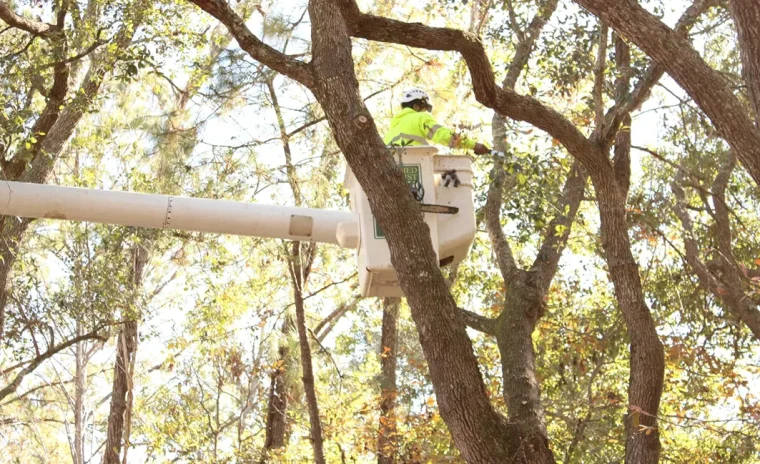
Removing a hazardous tree takes skill, proper tools, and safety training. At New Leaf Tree Service, our process ensures the work is done carefully and efficiently every time.
Our removal steps include:
Assessment and Planning: Evaluating structure, lean, and nearby obstacles.
Safety Setup: Using ropes, harnesses, and barriers to protect people and property.
Controlled Dismantling: Cutting the tree down in manageable sections to reduce risk.
Stump Grinding and Cleanup: Removing the remaining stump and debris to leave your yard safe and clean.
Attempting removal without proper equipment can lead to serious injuries or additional damage. Always hire trained professionals to handle dangerous tree removal safely.
7. Preventing Future Tree Hazards
Once a dangerous tree has been removed, ongoing care helps keep your remaining trees strong and healthy.
A. Routine Pruning
Regular trimming removes weak limbs and encourages balanced growth.
B. Scheduled Tree Health Assessments
Periodic inspections detect early warning signs before they escalate.
C. Proper Watering and Fertilization
Healthy trees with strong roots are less likely to fail.
D. Avoiding Soil Compaction
Keep vehicles and heavy equipment away from root zones to prevent tree root damage.
E. Storm Preparation
Before hurricane season, have a local tree care company inspect trees for potential hazards.
These preventive steps maintain safety while preserving your landscape’s beauty.
Stay Safe with Timely Tree Removal
A hazardous tree isn’t just an inconvenience; it’s a safety concern. Recognizing signs of a dying tree, scheduling inspections, and acting promptly when you see decay or tree root damage can save lives and property. Timely dangerous tree removal ensures your home remains safe year-round.
How New Leaf Tree Service Can Help
At New Leaf Tree Service, we provide reliable dangerous tree removal across Mount Pleasant and Charleston, SC. Since 2012, our ISA Certified Arborist-led team has helped homeowners identify hazards through professional tree health assessments and safe removals. We’re fully licensed, insured, and available 24/7 for emergencies. Call (843) 640-7767 today for your free estimate and let our friendly, local team keep your property safe and worry-free.