
Claim Your Free Estimates Today
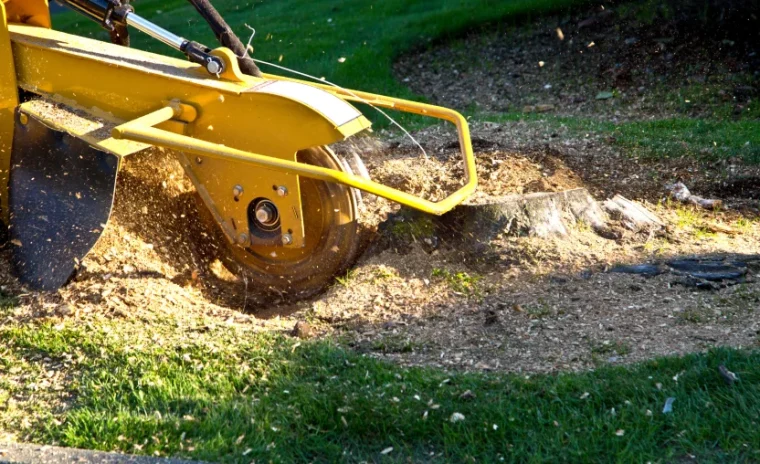
Tree removal is often only half the job. Once a tree is gone, the remaining stump can become an eyesore, a tripping hazard, and a barrier to future landscaping projects. Many property owners want to know how to grind a tree stump efficiently and safely without causing damage to their yard.
Stump grinding is one of the most effective ways to remove a stump below ground level and reclaim usable space. Whether you are considering a do-it-yourself approach or planning to hire a professional, understanding the proper tools, safety measures, and techniques can help you make the right decision.
In this guide, we will explain the complete stump grinding process, discuss essential equipment, share professional stump grinding techniques, and answer common questions such as how long does it take to grind a tree stump.
Why Remove a Tree Stump?
After a tree has been removed, leaving the stump behind can create several problems over time.
Safety Concerns
Tree stumps can become tripping hazards for family members, visitors, customers, and employees. They can also create obstacles when mowing or maintaining your property.
Pest Attraction
Old stumps often attract termites, ants, beetles, and other wood-boring insects. These pests may eventually migrate to nearby healthy trees or structures.
Landscape Appearance
A leftover stump can make an otherwise attractive landscape look unfinished. Removing the stump helps improve curb appeal and creates a cleaner appearance.
Preventing Regrowth
Some tree species can continue producing shoots from the stump, leading to unwanted regrowth. Grinding the stump significantly reduces this issue.
Better Use of Space
Removing a stump opens up room for new landscaping, garden beds, patios, driveways, or replacement trees.
If the original tree is still standing but showing signs of decline, you may benefit from professional Tree Removal Services before stump grinding becomes necessary.
What Is Stump Grinding?
Stump grinding is the process of using a specialized machine called a stump grinder to mechanically chip away the stump until it is below ground level.
Unlike complete stump removal, which involves extracting the entire root system, grinding focuses on reducing the visible stump into wood chips.
This method is generally faster, less disruptive to the landscape, and more cost-effective than full root excavation.
Tools Needed for Stump Grinding
Understanding the equipment involved is an important part of learning how to grind down a tree stump safely.
Stump Grinder
The stump grinder is the primary machine used for the job. It features a rotating cutting wheel equipped with carbide teeth that grind wood into small chips.
Common types include:
- Handheld stump grinders
- Walk-behind stump grinders
- Self-propelled stump grinders
- Large commercial stump grinders
Safety Equipment
Always wear appropriate protective gear, including:
- Safety glasses or face shield
- Hearing protection
- Heavy-duty gloves
- Steel-toe boots
- Long pants
- Hard hat when necessary
Shovel
A shovel helps remove dirt, rocks, and debris around the stump before grinding begins.
Chainsaw
A chainsaw may be used to cut the stump closer to ground level before grinding.
Rake
A rake helps gather wood chips and clean the area after grinding is complete.
Safety Precautions Before Grinding
Before starting the stump grinding process, safety should always be your top priority.
Locate Underground Utilities
Call your local utility locating service before digging or grinding. Underground gas lines, water pipes, electrical cables, and communication lines may be present.
Clear the Area
Remove:
- Rocks
- Metal objects
- Landscape edging
- Toys
- Yard decorations
Foreign objects can damage grinding equipment and create dangerous projectiles.
Inspect the Stump
Examine the stump carefully for:
- Embedded nails
- Wire fencing
- Hardware
- Hidden debris
These materials can damage cutting teeth and create safety hazards.
Check for Nearby Structures
Be aware of:
- Buildings
- Fences
- Vehicles
- Walkways
- Utility poles
Grinding debris can travel a considerable distance.
Step-by-Step Guide: How to Grind a Tree Stump
If you are wondering how to grind a tree stump, follow these general steps.
Step 1: Prepare the Stump
Begin by clearing away rocks, mulch, dirt, and vegetation around the stump.
Expose the base of the stump so the grinder can operate efficiently.
Step 2: Cut the Stump Lower
If the stump extends significantly above ground level, use a chainsaw to reduce its height.
Cut it as close to the ground as possible while maintaining a safe working position.
Step 3: Position the Grinder
Move the stump grinder into place directly in front of the stump.
Ensure the machine is stable before starting.
Step 4: Start Grinding
Lower the cutting wheel slowly onto the stump surface.
Move the grinder side to side while gradually lowering the cutting wheel deeper into the wood.
The rotating teeth will chip away the stump in small sections.
Step 5: Continue Across the Entire Stump
Work methodically from one side to the other.
Avoid forcing the machine. Allow the cutting wheel to do the work.
Step 6: Grind Below Ground Level
Most professionals grind stumps approximately 4 to 12 inches below grade, depending on future landscaping plans.
Grinding deeper may be necessary for:
- New lawns
- Garden beds
- Construction projects
Step 7: Clean Up Debris
After grinding is complete, remove excess wood chips if desired.
Many property owners choose to use the chips as mulch around trees and planting beds.
Step 8: Fill and Level the Area
Fill the depression with soil and level the surface.
Grass seed or sod can then be installed to restore the landscape.
Professional Stump Grinding Techniques
Successful stump removal often depends on using proper stump grinding techniques.
Work in Layers
Grinding gradually in thin layers reduces machine strain and improves efficiency.
Start at the Edges
Begin on the outer portions of the stump before working toward the center.
This approach provides better control and visibility.
Maintain Sharp Teeth
Sharp cutting teeth improve performance and reduce wear on the machine.
Dull teeth increase grinding time and fuel consumption.
Avoid Overloading the Machine
Forcing the grinder into the wood can cause equipment damage and produce uneven results.
Steady, controlled movement typically works best.
Monitor Root Flares
Large surface roots often require additional grinding to achieve a clean finish.
How Long Does It Take to Grind a Tree Stump?
One of the most common questions homeowners ask is how long does it take to grind a tree stump.
The answer depends on several factors.
Stump Size
Larger stumps naturally require more time.
A small stump may take only 15 to 30 minutes, while a large stump can take several hours.
Tree Species
Hardwoods such as oak and hickory generally take longer to grind than softer species.
Root Structure
Trees with extensive root systems may require additional grinding around the stump base.
Equipment Size
Commercial-grade grinders work much faster than smaller rental units.
Site Accessibility
Limited access can slow the process and increase setup time.
In many residential situations, a professional crew can complete the job within one to two hours.
Common Mistakes to Avoid
Learning how to grind down a tree stump also means understanding what not to do.
Skipping Utility Checks
Failing to identify underground utilities can lead to serious property damage and safety risks.
Using the Wrong Equipment
Small grinders may struggle with large stumps, resulting in longer project times and poor results.
Ignoring Safety Gear
Flying debris can cause serious injury without proper protection.
Grinding Too Shallow
A shallow grind may leave visible remnants that interfere with future landscaping.
Neglecting Cleanup
Wood chips left in excessive amounts can affect future planting efforts if not properly managed.
DIY Stump Grinding vs. Hiring a Professional
Many property owners debate whether to tackle stump grinding themselves or hire a professional tree company.
DIY Advantages
- Lower upfront costs
- Flexible scheduling
- Personal satisfaction
DIY Challenges
- Equipment rental costs
- Safety risks
- Physical labor
- Potential property damage
- Limited experience
Professional Advantages
Professional crews bring:
- Specialized equipment
- Training
- Insurance coverage
- Efficient project completion
- Safe operating practices
For difficult or hazardous situations, hiring a licensed tree care company is often the safest and most cost-effective option.
When Stump Grinding May Not Be Enough
In some cases, stump grinding is only part of the solution.
Diseased Trees
If disease is present, surrounding trees may require monitoring and treatment.
Our Tree Care Services can help identify and address tree health concerns before they spread.
Hazardous Trees
If nearby trees show signs of structural instability, a professional Tree Risk Assessment can identify potential hazards before they become emergencies.
Storm Damage
Following severe weather, damaged trees may require immediate attention before stump grinding can occur. Our Emergency Tree Services are available when urgent tree hazards arise.
Ongoing Tree Maintenance
Healthy trees require regular maintenance to reduce future risks. Professional Tree Pruning Services can improve tree structure, appearance, and long-term health.
What Happens to the Roots After Grinding?
A common concern among homeowners is what happens to the roots after stump grinding.
Most roots remain underground after the stump is ground below grade.
Over time, these roots naturally decompose. Depending on the tree species and root size, decomposition may take several years.
Because the roots are left in place, stump grinding causes significantly less disruption than complete root removal.
Can You Plant a New Tree in the Same Spot?
Planting directly where a stump once existed is generally not recommended.
The remaining roots and decaying wood can interfere with new root development.
Instead:
- Move the new tree a few feet away
- Replace old material with fresh soil
- Improve soil quality before planting
If you are planning new landscape installations, a professional assessment can help determine the best location.
Signs It’s Time to Remove a Stump
You may want to schedule stump grinding if you notice:
- Visible decay
- Insect activity
- Mushroom growth
- Trip hazards
- Lawn maintenance difficulties
- New shoots growing from the stump
- Plans for landscaping improvements
Addressing these issues sooner can prevent larger property maintenance problems later.
Conclusion
Learning how to grind a tree stump can help you understand the safest and most effective way to remove unwanted stumps from your property. By following proper safety procedures, using the right equipment, and applying proven stump grinding techniques, you can achieve cleaner results and restore valuable outdoor space. Whether you are handling a small residential stump or evaluating a larger project, understanding the complete stump grinding process allows you to make informed decisions and avoid costly mistakes.
At New Leaf Tree Service, we have proudly served Mount Pleasant, Charleston, and surrounding communities since 2012. Our owner-operated team is led by ISA Certified Arborist Jessica Pares, and we carry extensive general liability and worker’s compensation insurance for your protection. Whether you need Stump Grinding Services, tree removal, pruning, plant health care, risk assessments, or emergency tree services, we provide prompt service, written estimates, and careful attention to your property. If you are ready to remove an unwanted stump and improve your landscape, call (843) 640-7767 today for a Free Estimate.
